Lab Practice
Peptide Storage and Stability: Lyophilized vs. Reconstituted
Kestra Club Research Desk · Published 2026-08-08 · 5 min read
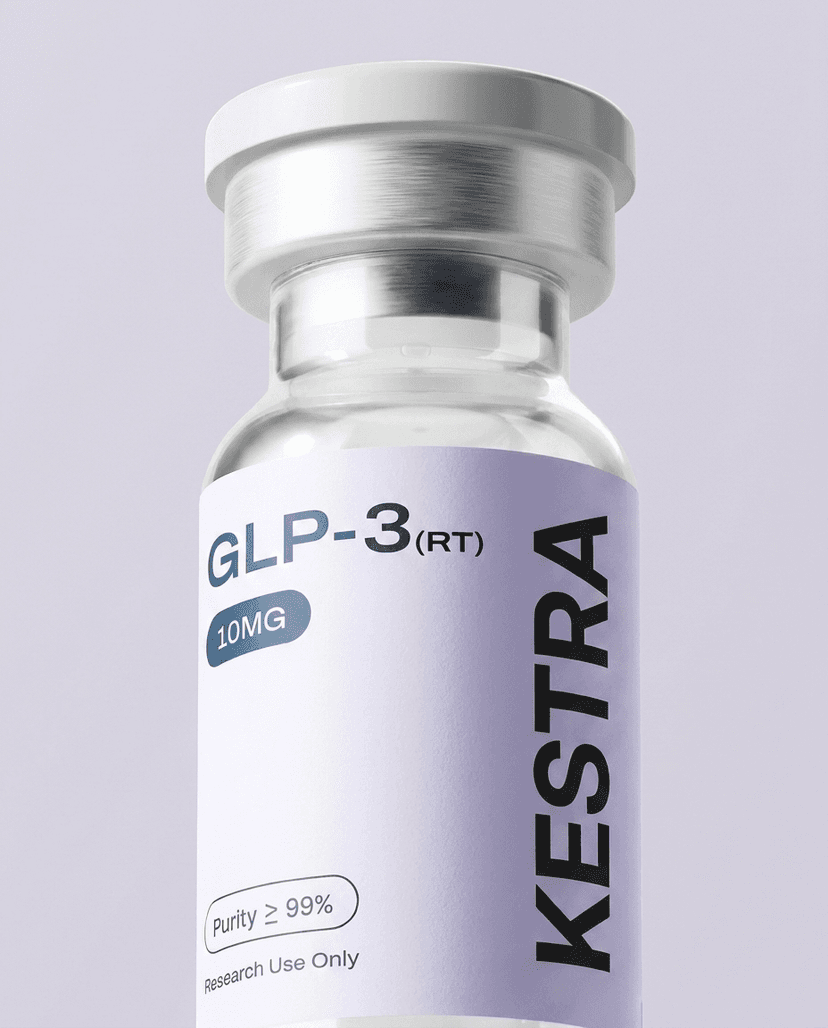
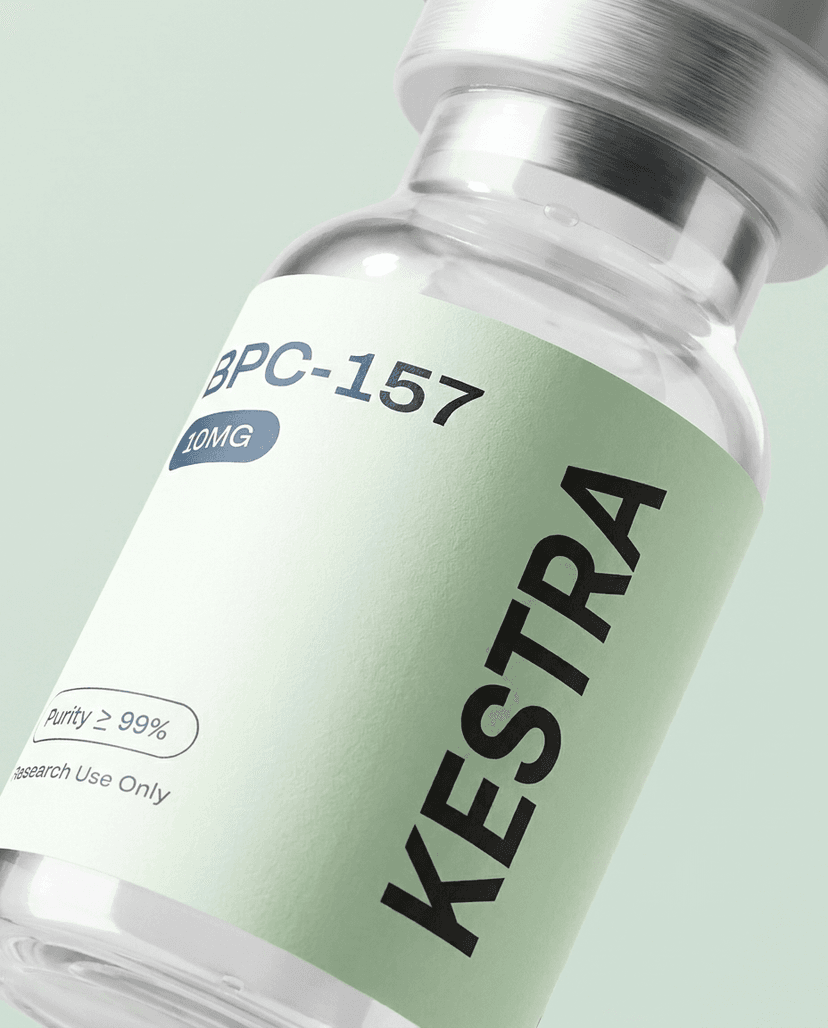
Store lyophilized peptides at −20°C, protected from light and moisture. Most remain stable 24 months or longer. Once reconstituted, hold solutions at 2–8°C and use them within days to weeks, avoiding repeated freeze-thaw cycles.
Why are research peptides shipped as lyophilized powder?
Lyophilization (freeze-drying) removes the water that drives the main chemical degradation routes of peptides: hydrolysis of the backbone, deamidation of asparagine and glutamine residues, and oxidation of methionine, cysteine, and tryptophan. Dry, cold, and dark, a peptide is a remarkably stable object; in solution it is a slowly degrading one. That is the entire logic of the supply chain: powder travels and stores, solution gets made fresh close to the experiment.
It is also why brief ambient exposure during shipping is not the crisis it intuitively seems: degradation rates for the dry powder at room temperature are low over days. The storage guidance targets the months-to-years timescale of a freezer inventory, not the 48 hours of a courier run.
How should lyophilized peptides be stored in the lab?
The standard profile is −20°C, desiccated, protected from light, under which most lyophilized peptides are specified stable for 24 months or longer. Two handling details do real work. First, moisture: a freezing-cold vial opened in room air condenses water onto the powder, so vials should come to room temperature before opening, a 15–30 minute wait that prevents the single most common self-inflicted storage failure. Second, light: photosensitive residues (notably tryptophan) argue for opaque storage boxes rather than open freezer racks.
How long do reconstituted peptide solutions last?
Once in solution, the clock runs. The general laboratory convention is storage at 2–8°C and use within days to a few weeks, with the real number depending on the specific peptide's sequence, the diluent, and sterility of technique: a preserved diluent like bacteriostatic water extends the multi-draw window against microbial contamination (up to the 28-day vial convention) but does not stop chemical degradation of the peptide itself.
For work that needs longer horizons, the standard practice is aliquoting: divide the reconstituted solution into single-experiment portions and freeze the aliquots, thawing each exactly once. Repeated freeze-thaw of one container is the classic degradation driver: each cycle stresses the peptide through ice-interface denaturation and concentration gradients, and the damage compounds invisibly.
Frequently asked questions
How long do lyophilized peptides last?
Stored at −20°C, desiccated and protected from light, most lyophilized research peptides are specified stable for 24 months or longer. Room-temperature exposure during shipping has negligible impact on that horizon.
How long does a reconstituted peptide last in the fridge?
Convention is 2–8°C storage and use within days to a few weeks, depending on the peptide. Aliquot-and-freeze-once is the standard practice for longer timelines; repeated freeze-thaw cycles degrade peptides.
Why let a frozen vial warm up before opening?
Opening a cold vial in room air condenses moisture onto the lyophilized powder, accelerating hydrolytic degradation. Letting the sealed vial reach room temperature first (15–30 minutes) prevents it.
Sources & standards
- General peptide-stability literature: hydrolysis, deamidation, and oxidation pathways in aqueous solution
- USP <659> · container and storage conventions
Keep reading
This article discusses laboratory research context only and is not medical advice. All products are sold strictly for research use only, not for human or veterinary use.