Research Journal
Guides for the bench
Practical reference articles on peptide quality, storage, documentation, and compliant sourcing, written for researchers and cited to primary standards.
Peptide Storage and Stability: Lyophilized vs. Reconstituted
Store lyophilized peptides at −20°C, protected from light and moisture. Most remain stable 24 months or longer. Once reconstituted, hold solutions at 2–8°C and use them within days to weeks, avoiding repeated freeze-thaw cycles.
Read the guide →What Does "Research Use Only" (RUO) Mean?
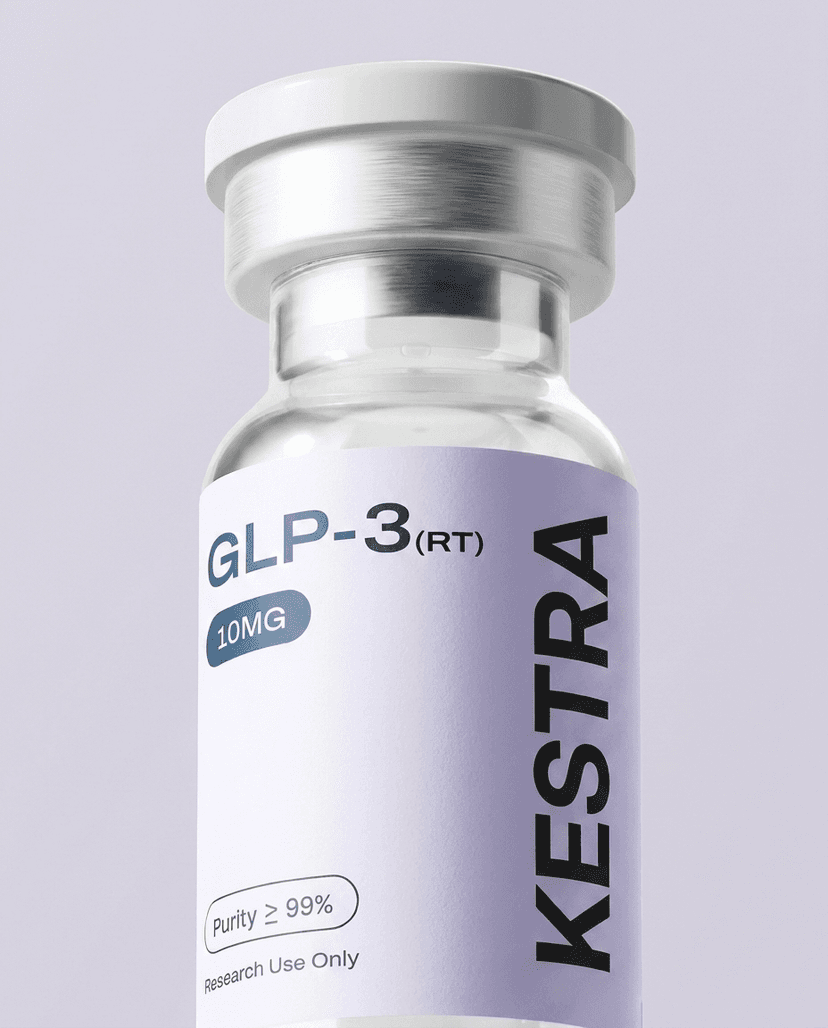
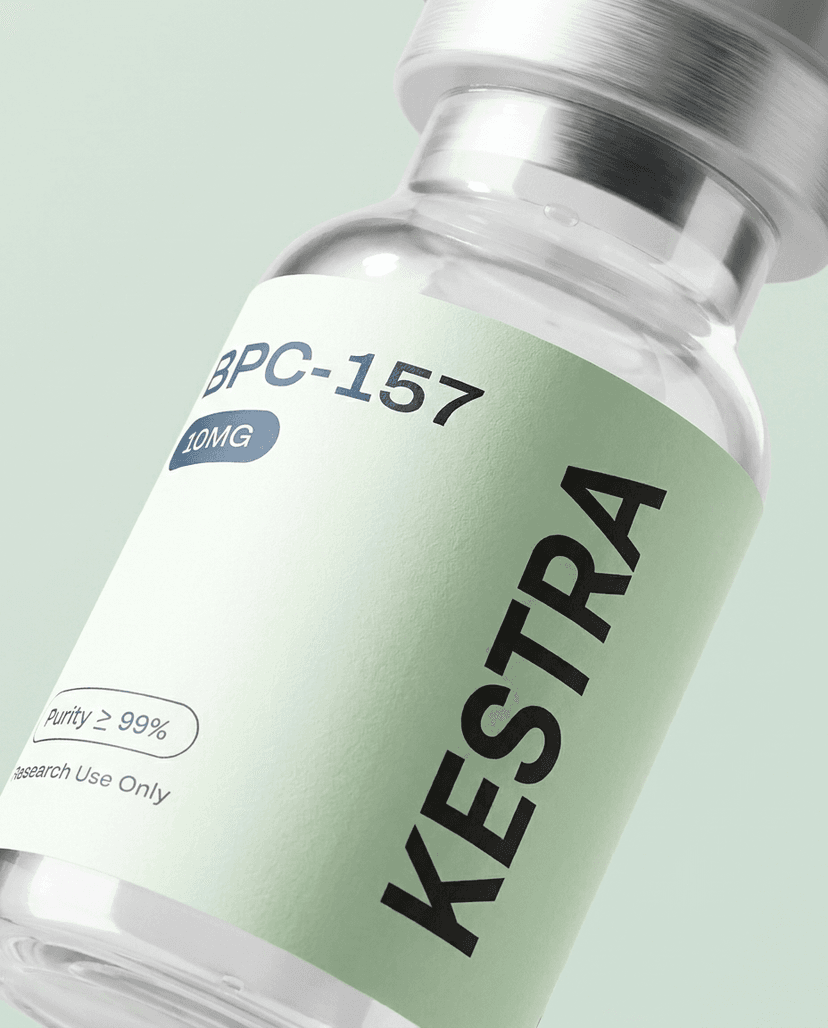
"Research Use Only" means a product is sold exclusively for laboratory research (in-vitro experiments and analysis) and is not approved for human or veterinary use, medical diagnosis, or treatment. The label is a legal boundary, not marketing language.
Read the guide →How to Read a Peptide Certificate of Analysis (COA)
Read a peptide COA in four checks: the lot number matches your vial, HPLC purity meets specification (typically ≥99%) with the chromatogram shown, mass spectrometry confirms identity against the theoretical mass, and the testing laboratory and date are stated.
Read the guide →How to Choose a Research Peptide Supplier in 2026: A Verification Framework
Choose a research peptide supplier by verifying four things on a current batch: a third-party Certificate of Analysis you can trace to the lot, HPLC purity ≥99% with the chromatogram, mass-spectrometry identity confirmation, and disclosed net peptide content. No COA, no order.
Read the guide →All articles discuss laboratory research context only. Products referenced are for research use only, not for human or veterinary use.