Compliance
What Does "Research Use Only" (RUO) Mean?
Kestra Club Research Desk · Published 2026-08-08 · 5 min read
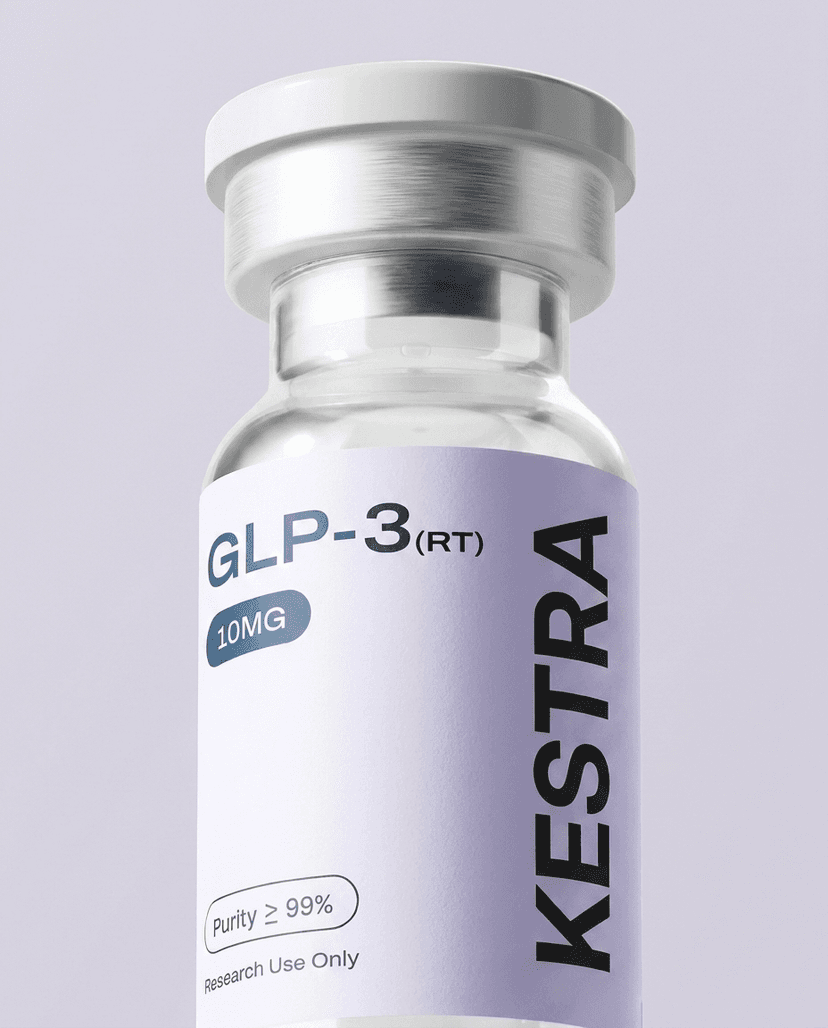
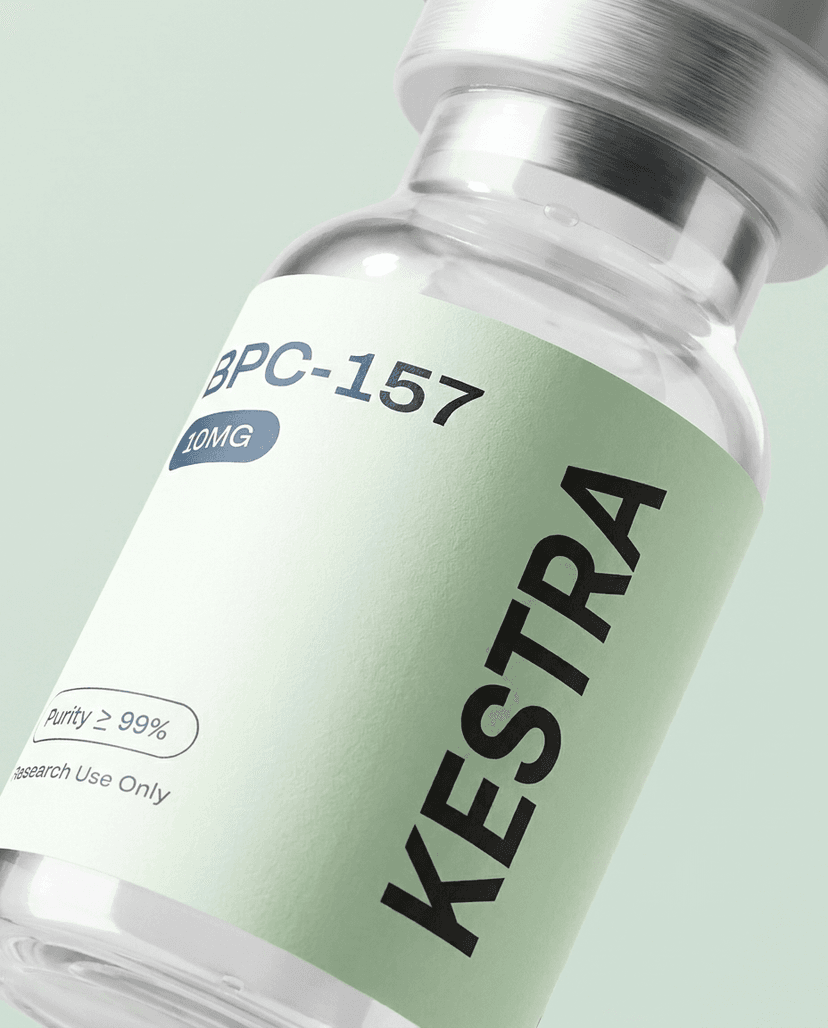
"Research Use Only" means a product is sold exclusively for laboratory research (in-vitro experiments and analysis) and is not approved for human or veterinary use, medical diagnosis, or treatment. The label is a legal boundary, not marketing language.
Where does the Research Use Only label come from?
The clearest regulatory articulation comes from FDA's framework for in-vitro products: 21 CFR 809.10(c) prescribes the exact sentence "For Research Use Only. Not for use in diagnostic procedures," and FDA's November 2013 guidance on RUO/IUO products explains the principle that a product's real intended use is judged by the totality of circumstances (labeling, marketing claims, and how the seller actually behaves), not by the disclaimer alone. Research chemicals sit in an adjacent version of the same logic: a compound that has never been through drug approval cannot lawfully be sold for human use, and the RUO designation states that boundary explicitly.
The practical consequence is that RUO status is something a seller has to live, not just print. A vendor that stamps RUO on the label while advertising human benefits has, in the regulator's eyes, declared a different intended use, and FDA warning letters in this category cite exactly that pattern.
What does RUO permit and what does it prohibit?
Permitted: sale to researchers and laboratories for in-vitro experimentation, method development, and analytical work, the bench context. Prohibited: any sale, marketing, or use for human or veterinary administration, diagnosis, treatment, or prevention of disease. The prohibition binds both directions: the seller may not market human uses, and the buyer acknowledges the material is not for human use, which is why a compliant checkout asks for that acknowledgement affirmatively rather than burying it in a footer.
- Product pages describe published research context, never benefits, dosing, or outcomes
- No human-use imagery or testimonials anywhere in the funnel
- An affirmative research-use acknowledgement at checkout, with a 21+ age gate
- Certificates of analysis, because the buyer is a researcher who needs data, not promises
Why do compliant vendors enforce RUO so strictly?
Because the enforcement history is unambiguous. FDA and FTC actions against peptide sellers have consistently targeted human-use claims (weight-loss promises, healing claims, dosing guides) rather than the act of selling research chemicals itself. Payment processors and advertising platforms mirror the same line: accounts are lost over marketing language before anything else. A storefront that maintains RUO discipline in every surface (catalog copy, blog, emails, affiliate content, packaging) is both following the law and protecting the continuity a research customer depends on.
For buyers, the discipline is a quality signal: a vendor careful with the legal boundary tends to be the same vendor careful with lot traceability and testing. The sloppiness correlates.
Frequently asked questions
Is it legal to buy research peptides?
Research peptides are sold lawfully for laboratory research use. They are not approved drugs, and purchase carries an acknowledgement that the material is not for human or veterinary use.
Why do research peptide sites have age gates and acknowledgements?
Because intended use is judged by the seller's whole funnel. A 21+ gate and an affirmative research-use acknowledgement at checkout document that the sale is directed at research use.
Does an RUO label by itself make a sale compliant?
No. Regulators look at the totality of circumstances: claims, imagery, marketing, and conduct. The label states the boundary; the seller's behavior has to match it.
Sources & standards
Keep reading
How to Choose a Research Peptide Supplier in 2026: A Verification Framework
A concrete, checkable framework for evaluating research peptide suppliers: batch-level third-party COAs, HPLC + MS testing, net peptide content, endotoxin data, and the red flags that rule a vendor out.
How to Read a Peptide Certificate of Analysis (COA)
A line-by-line guide to peptide COAs: HPLC purity and what the chromatogram shows, mass-spec identity, net peptide content, endotoxin limits under USP <85>, and how to match a certificate to your vial's lot.
This article discusses laboratory research context only and is not medical advice. All products are sold strictly for research use only, not for human or veterinary use.